
3am file processing.
3 to 4 hours of manual work a day. No room to scale.
If your team processes inbound customer files or orders on a deadline, you know the quiet tax it takes. A client's file lands at 8pm. Someone has to pick it up, map it, check it, and push it through to production — and if that someone isn't watching, the work slips to the morning and production falls behind. So a person ends up tied to the clock, sometimes literally setting an alarm for the middle of the night.
It's manual, it's error-prone, and it doesn't scale. Every new client adds another file format, another deadline, another thing for a small team to babysit by hand.
The manual processing trap is familiar: a method that was manageable with a couple of clients becomes a daily grind as the client list grows — and because so much of it lives in one person's late-night routine, it's fragile and impossible to hand off.
Sisk Fulfillment Service is a great example of a growing operation that eventually hit that wall. Over the course of 40 years they've provided fulfillment solutions to direct marketers and have handled around 4.5 million shipments a year for dozens of clients — from Fortune 500 brands to nonprofits. Core to their service is getting the right order information to the right team, fast. Their IT Manager, Nick Liles, set out to remove the manual steps when he realized his small team was spending too much time on manual, error-prone data processing.
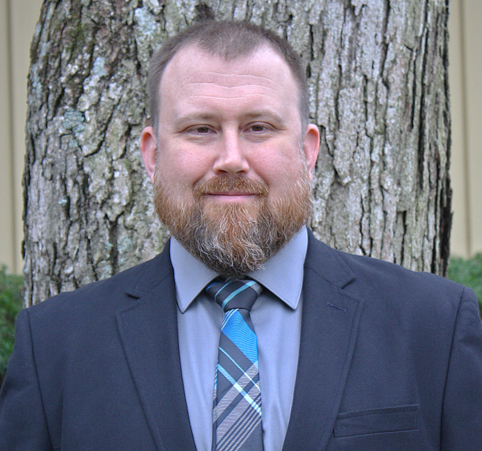
Errors and late nights from manual processing
Handling incoming customer orders meant constant manual intervention — including someone picking up and processing files late at night. On top of that, the team spent 3 to 4 hours every day on multiple manual steps, including data mapping. Every one of those steps was a chance for human error, and errors had real consequences for shipments going out the door.
For a small team, that's a brutal combination: high stakes, tight deadlines, and a process that depends on people being awake and available at inconvenient hours. Nick realized the only way to remove the error risk — and stop people working through the night — was to automate the process end to end.
Going hands-off with CloverDX
Working with CloverDX, Nick and the team recreated their entire end-to-end process as an automated workflow. The workflow handles everything from detecting when a client's file has arrived, through mapping it, to checking for errors — with no manual intervention.
This can change the shape of a team's entire working day. Files get processed the moment they land, as opposed to piling up to be completed... whenever a person is free to deal with them:
Sisk also built automated error handling into the process, so the team no longer manually inspects files. Errors are detected and corrected automatically, and the process keeps running rather than stalling on a problem.
Looking to automate order processing?
See how CloverDX can detect, map, validate and process inbound files automatically — so orders move 24/7 without anyone working late.

Before and after:
daily order processing
Processing before CloverDX
-
Incoming files needed manual intervention, including processing late at night
-
Someone was regularly up at 3 am to get files ready for morning production 3–4 hours of manual steps every day, including data mapping
-
Manual steps were error-prone, and errors had real shipping consequences
-
Out-of-hours work was routine just to meet client deadlines
Processing with CloverDX
-
The end-to-end process runs as an automated workflow with no manual intervention
-
Files are detected and processed the moment they arrive — including overnight
-
Clients get an automated confirmation as soon as their files are uploaded and ready
-
Automated error handling detects and corrects issues without stopping the process
Scaling to more clients in a fraction of the setup time
The other payoff is how easily the approach extends to new clients. Because the framework is built once, onboarding the next client isn't a new project — it's a configuration change:
For a small team serving dozens of clients with different data formats, reusability is what makes growth manageable. And it mattered that this was achievable for a lean team — part of why Sisk chose CloverDX was the support and collaborative approach, with the Professional Services team explaining how things were built so Sisk could maintain and extend the workflows themselves rather than depending on outside help for every change.
In Nick Liles' own words:
Manual, deadline-driven processing is a trap for lean teams
For most operations teams, the problem isn't the work itself — it's that the work depends on a person being there to do it, on time, every time. As long as inbound files are processed by hand, deadlines turn into late nights, small mistakes turn into shipping problems, and growth means more of both.
CloverDX is the data integration platform that lets you turn that routine into a hands-off workflow — detecting inbound files, mapping and validating them, handling errors automatically, and confirming back to clients, around the clock. Build the framework once, and reuse it across every client. If your team is processing customer files or orders by hand and wants to go hands-off, request a demo.
You can also read the full Sisk Fulfillment Service story here, or listen to the Behind the Data episode below.

Share